Advocating Solar Power: Clean Energy for Nigeria's Future

The sun shines brightly over Nigeria, a country blessed with abundant sunlight throughout the year. Yet, despite this natural advantage, millions of Nigerians still lack access to reliable electricity. As the world shifts towards sustainable energy sources, solar power emerges as a beacon of hope for Nigeria's energy crisis. This blog post explores the potential of solar energy in Nigeria, its benefits, challenges, and the steps needed to harness this clean energy for a brighter future.
Understanding Nigeria's Energy Landscape
Nigeria is Africa's most populous country, with over 200 million people. Despite its vast oil reserves, the nation struggles with a severe energy deficit. According to the World Bank, about 45% of Nigerians do not have access to electricity. The existing power infrastructure is outdated and inefficient, leading to frequent blackouts and reliance on expensive diesel generators.
The Current Energy Mix
Nigeria's energy mix is heavily reliant on fossil fuels, particularly natural gas and oil. While these resources have historically powered the economy, they are not sustainable in the long run. The country has made some strides in diversifying its energy sources, but the transition to renewable energy remains slow.
The Role of Solar Power
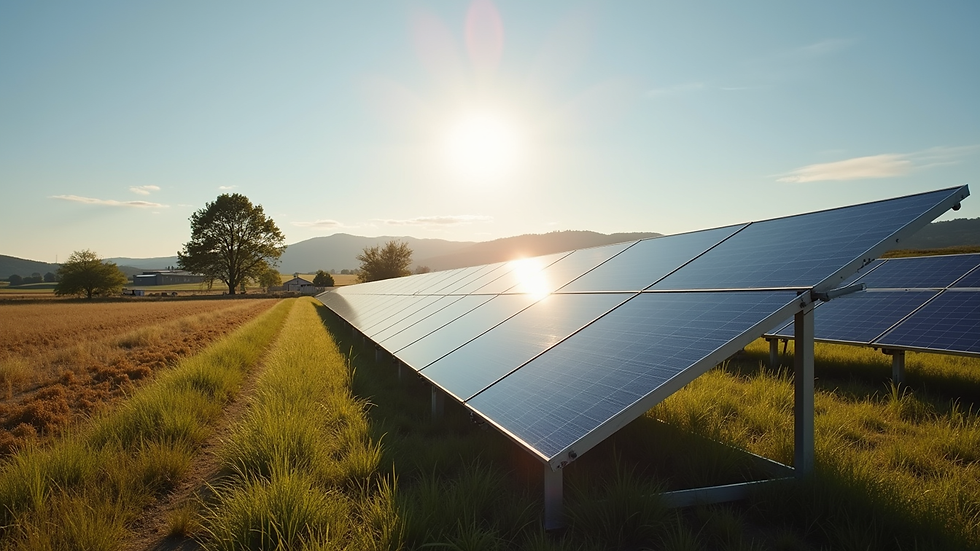
Solar energy offers a viable solution to Nigeria's energy woes. With an average solar irradiation of 5.5 kWh/m²/day, Nigeria is one of the best locations for solar energy generation. By investing in solar power, Nigeria can reduce its dependence on fossil fuels, lower greenhouse gas emissions, and provide electricity to millions of underserved communities.
Benefits of Solar Power in Nigeria
Environmental Impact
Switching to solar energy can significantly reduce Nigeria's carbon footprint. Solar power is a clean, renewable source of energy that produces no emissions during operation. By harnessing solar energy, Nigeria can contribute to global efforts to combat climate change.
Economic Growth
Investing in solar energy can stimulate economic growth in Nigeria. The solar industry has the potential to create thousands of jobs in manufacturing, installation, and maintenance. Moreover, solar power can reduce energy costs for households and businesses, freeing up resources for other investments.
Energy Independence
Solar power can help Nigeria achieve energy independence. By harnessing its abundant sunlight, the country can reduce its reliance on imported fossil fuels and enhance its energy security. This independence is crucial for stabilizing the economy and ensuring a reliable energy supply.
Rural Electrification
Solar energy is particularly well-suited for rural electrification. Many remote communities lack access to the national grid, making traditional energy solutions impractical. Solar power can provide off-grid solutions, such as solar home systems and mini-grids, to bring electricity to these underserved areas.
Challenges to Solar Power Adoption
Initial Costs
One of the main barriers to solar power adoption in Nigeria is the high initial cost of solar installations. While prices have been decreasing, many households and small businesses still find it challenging to afford the upfront investment. Financial support and innovative financing models are essential to overcome this hurdle.
Lack of Infrastructure
The lack of infrastructure for solar energy distribution poses another challenge. Many areas lack the necessary grid connections to support solar energy systems. Developing a robust infrastructure for solar energy distribution is crucial for maximizing its potential.
Policy and Regulatory Framework
A clear and supportive policy framework is vital for promoting solar energy in Nigeria. Currently, the regulatory environment is fragmented, with various agencies involved in energy management. Streamlining policies and providing incentives for solar energy investments can encourage more stakeholders to participate in the market.
Steps to Harness Solar Power in Nigeria
Government Initiatives
The Nigerian government has recognized the importance of renewable energy and has launched several initiatives to promote solar power. Programs like the Solar Power Naija initiative aim to provide solar home systems to millions of Nigerians. Continued government support and investment in solar infrastructure are essential for scaling these efforts.
Public-Private Partnerships
Collaboration between the public and private sectors can accelerate solar power adoption. Private companies can bring innovation, expertise, and investment to the table, while the government can provide regulatory support and incentives. Successful partnerships can lead to the development of large-scale solar projects and off-grid solutions.
Community Engagement
Engaging local communities is crucial for the successful implementation of solar projects. Community involvement can ensure that solar solutions meet the specific needs of the population. Training programs can empower locals to install and maintain solar systems, creating jobs and fostering a sense of ownership.
Education and Awareness
Raising awareness about the benefits of solar energy is essential for driving adoption. Educational campaigns can inform Nigerians about the advantages of solar power, available technologies, and financing options. Increased awareness can lead to greater acceptance and demand for solar solutions.
Case Studies of Successful Solar Projects in Nigeria
Solar Home Systems in Rural Areas
One notable example of solar power implementation is the deployment of solar home systems in rural communities. Organizations like Solar Nigeria have successfully installed solar systems in remote areas, providing electricity for lighting, mobile charging, and small appliances. These systems have transformed lives, enabling students to study at night and businesses to operate more efficiently.
Mini-Grids for Local Communities
Another successful initiative is the establishment of solar mini-grids in off-grid communities. Companies like Rensource and Lumeter Networks have developed mini-grid solutions that provide reliable electricity to multiple households and businesses. These projects not only improve access to energy but also stimulate local economies by supporting small businesses.
The Future of Solar Power in Nigeria
The future of solar power in Nigeria looks promising. With continued investment, supportive policies, and community engagement, solar energy can play a pivotal role in addressing the country's energy challenges. As technology advances and costs decrease, solar power will become increasingly accessible to all Nigerians.
Conclusion
Solar power represents a sustainable solution to Nigeria's energy crisis. By harnessing the country's abundant sunlight, Nigeria can reduce its reliance on fossil fuels, promote economic growth, and improve the quality of life for millions. The journey towards a solar-powered future requires collaboration, investment, and commitment from all stakeholders. Together, we can advocate for solar power and pave the way for a cleaner, brighter future for Nigeria.
By embracing solar energy, Nigeria can not only meet its energy needs but also contribute to global efforts in combating climate change. The time to act is now. Let’s advocate for solar power and ensure a sustainable future for generations to come.
Comments